
Interview
INTERVIEW LETTER
Dear Teacher Chen Ting Yi,
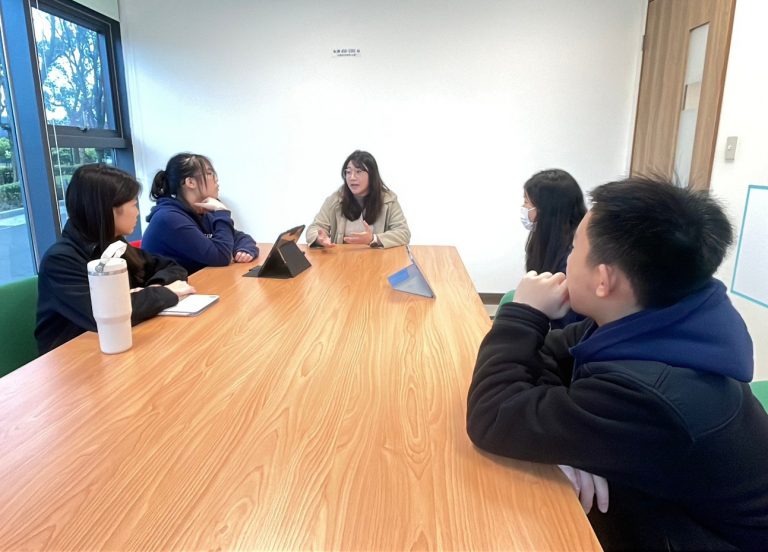
We are students from the 7th and 8th grades at Linkou Kang Chiao International School, and we are currently preparing for the 2024 Internet Expo competition. This competition encourages students to explore local characteristics through research and teamwork, and showcase their findings on a website. Our project theme is “The Development History of Badminton in Taiwan.”
Therefore, we would like to sincerely invite you to participate in an interview to help us gain deeper insights into your professional experience and training story. The interview will focus on your sports career, and we would like to record the conversation for easier compilation and translation afterward.
If possible, we would also like to take a photo with you at the end of the interview, which we will feature on our project website to share the outcome of this interview with a wider audience.
Sincerely,
Students from the Cyberfair Club
-
INTERVIEW QUESTIONS
BEFORE: (Opportunities and Challenges Encountered During the Process)
– What was the reason or opportunity for you to start playing badminton?
– Why did you choose badminton over other sports?
– Men’s doubles require great teamwork and trust. How did you and your partner achieve this?
– In your career, how were doubles pairings decided, and what was the reason that you and your partner
PROCESS: (Opportunities and Challenges Encountered During the Preparation Phase of Badminton)
– Which opponents have left the deepest impression on you so far? Why did they stand out?
– How do you view badminton as a sport?
– During your career journey, were there moments that made you reconsider your love or goals for badminton?
– Before stepping onto the court, what do you usually tell yourself?
– What qualities or attitudes do you believe are key to your continuous improvement in badminton?
– When facing setbacks or failures, how do you typically motivate yourself to bounce back and keep going?
– Looking ahead, what kind of impact do you hope to leave on the sport or your fans through your efforts?
– How do you handle undesirable results during your career?
– How many hours do you typically train in a day, and what kind of training do you do?
– When facing particularly challenging opponents or situations, what drives you to push beyond your limits?
– What is the first emotion that comes to mind after winning a match?
– What do you think about Taiwan’s badminton in the future?
OTHERS:
– How many hours did you spend on badminton?
– What is your special habit for badminton?
– What train do you think is the most important?
– What did you do everyday?
– How did you keep your body healthy?Do you seldom eat food that is not healthy?
– “Do you have any role models or people you greatly respect in the sport of badminton?”
CONTENT SHARING FROM THE INTERVIEW
An Interview with a Badminton Player: Passion, Challenges, and Dedication
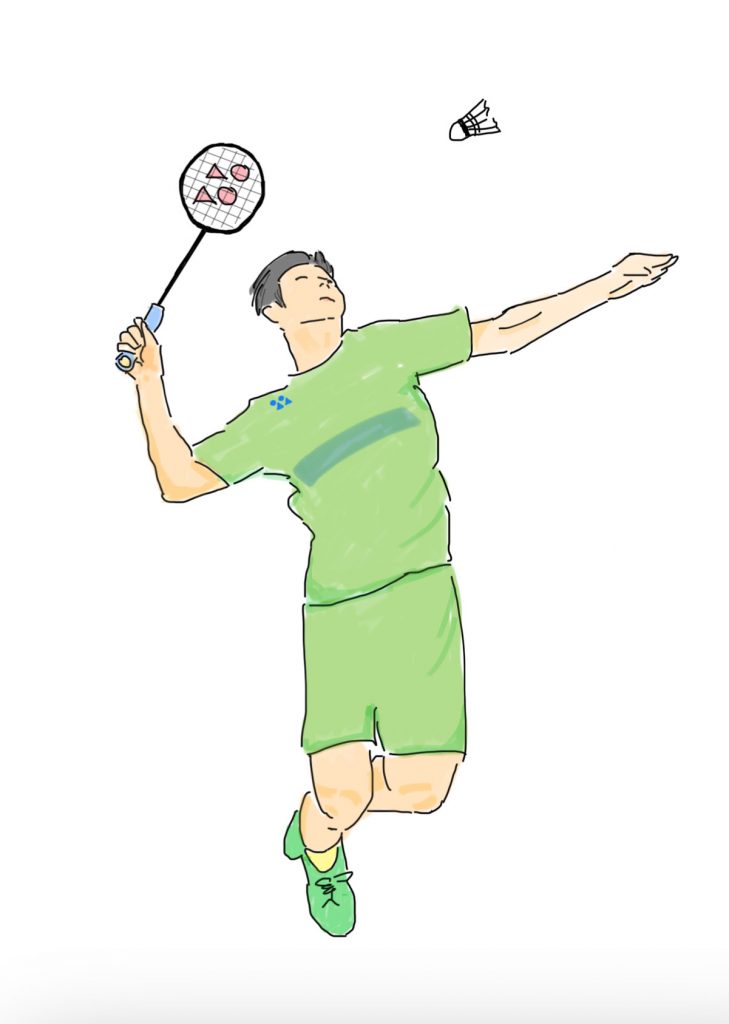
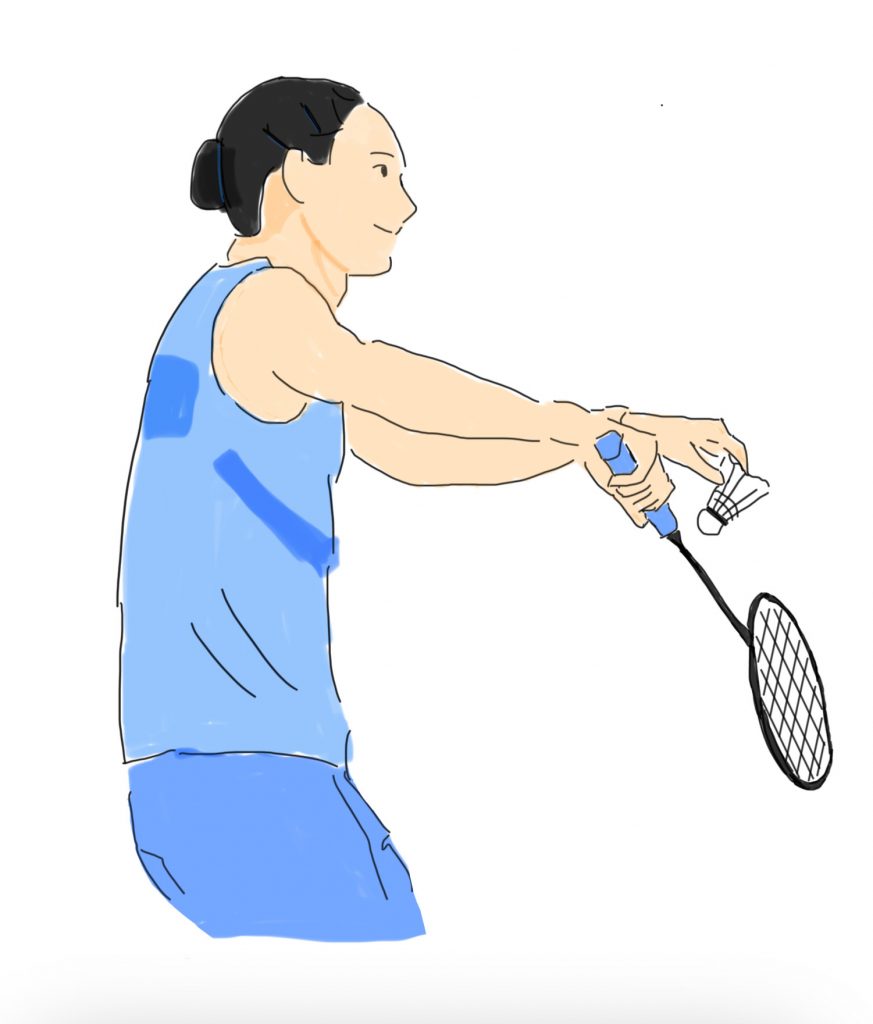
Badminton is a fast-paced and strategic sport that requires agility, endurance, and teamwork. We had the opportunity to interview a dedicated badminton player, who shared their journey, challenges, and aspirations in the sport.
The Beginning of a Badminton Journey
When asked how their badminton journey started, they recalled being discovered by their school’s badminton coach during a physical education class in elementary school. The coach saw potential and invited them to join the school team, marking the beginning of their passion for badminton.
Memorable Opponents
Throughout their competitive journey, some opponents left a deep impression. They mentioned frequently encountering players from schools like Xinzhuang and Xiongzhong in tournament finals, making these matches particularly memorable.
Thoughts on Badminton as A Sport
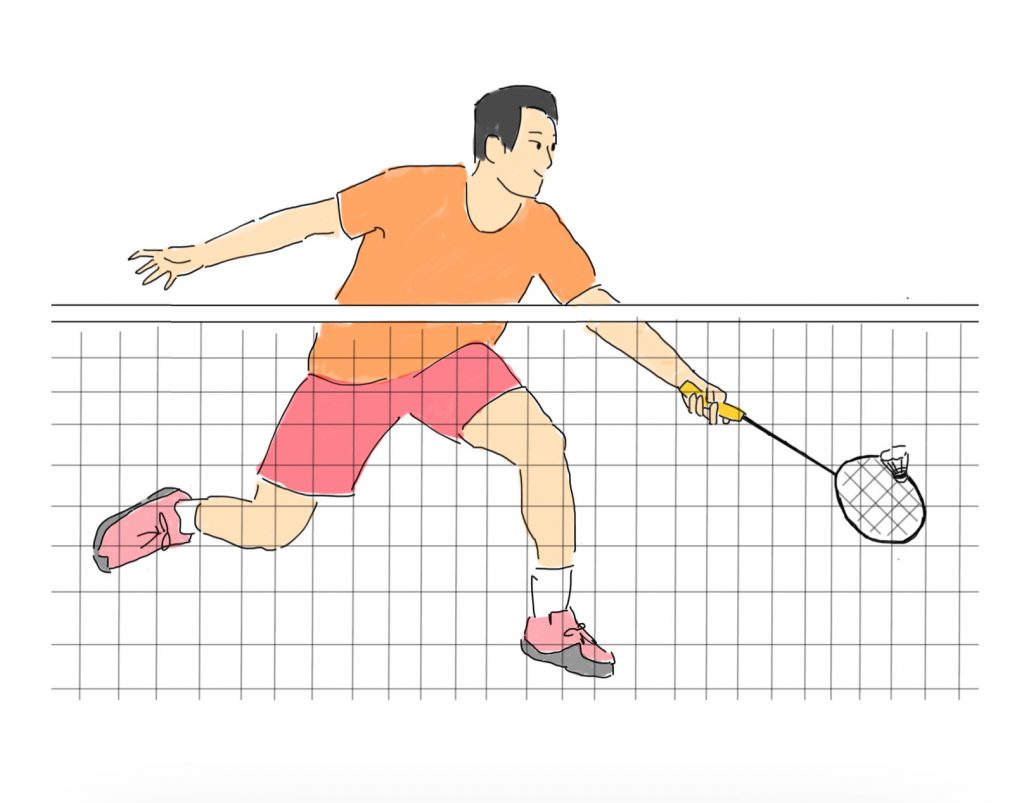
Badminton, according to our interviewee, is a full-body sport requiring extensive movement. In doubles, it is not just about attacking and defending but also about coordinating with a partner, executing quick movements, and maintaining synchronization. Moreover, badminton is accessible—anyone with a racket and shuttlecock can play, making it more enjoyable compared to some other sports.
Overcoming Setbacks
Like any athlete, they have faced challenges, particularly performance declines and injuries. With intense training schedules—practicing six days a week—injuries can severely impact performance. When recovery time is limited to just three days, they resort to rigorous treatments such as ice bucket foot baths and bandaging to speed up healing and return to training as soon as possible.
Regarding performance setbacks, they emphasized how excelling in tournaments attracts opponents’ attention, prompting them to analyze strategies to counter their play. If they fail to meet expectations, such as not winning a championship, both their coach and they might feel training was insufficient, leading to even more intense practice sessions.
Pre-Match Rituals
As a doubles player, communication with their partner is crucial before a match. They analyze their upcoming opponents, identify weaknesses, and develop trategies to maximize their performance.
What Keeps Them Going?
One of the main motivations for continuing badminton is achieving strong results. During junior high and high school, the National High School Games is a key competition. Winning championships in their second and third years of junior high provided the motivation to continue striving for excellence, with hopes of becoming a “family athlete” that others look up to.
A Rigorous Training Routine
During their high school years, they lived in a boarding school with a highly structured training schedule. The daily routine included:
• 6:10 AM: Morning exercises
• 8:00 AM – 2:00 PM: School classes
• 2:00 PM – 7:00/8:00 PM: Specialized training sessions
• Training structure: Players were divided into two groups—one focused on strength and conditioning while the other worked on technical skills, and then they switched.
• After training: Dinner, one hour of self-study, and a 10:00 PM curfew.
This disciplined schedule ensured that athletes maintained both their academic and athletic commitments while undergoing intensive training.
Conclusion
Through this interview, we gained insight into the life of a dedicated badminton player—their journey, struggles, and the drive that keeps them going. From rigorous training to overcoming setbacks, their commitment to the sport is truly inspiring. Whether competing at the highest level or simply enjoying the game, badminton remains a sport that brings excitement, challenge, and passion
REFLECTION
Ashley Chen:
After this interview with ChenTingYi teacher, we noticed some of the most important things and tips during the interview. She shared her experiences and her story of how she started playing badminton and how she faced challenges or problems. For example, she mentions how she got injured during practices, but she also needs to continue competing in a short period of time, so the wound can’t fully heal. Through this interview, I could understand better about how badminton works and what are the actual real common challenges and conflict during this journal of badminton.
Charles Yuan:
Through the interview, I experienced about how the ChenTingYi teacher experienced her life, she first engaged in the badminton course when she was little, about 6 years old she began to step on her journey of badminton, then she stopped at high school, then after graduation, she got in touch with badminton again, and she became a coach and started her job till now. I think that her experiences deserves success towards life, because she manages to get her dream back into her arms.
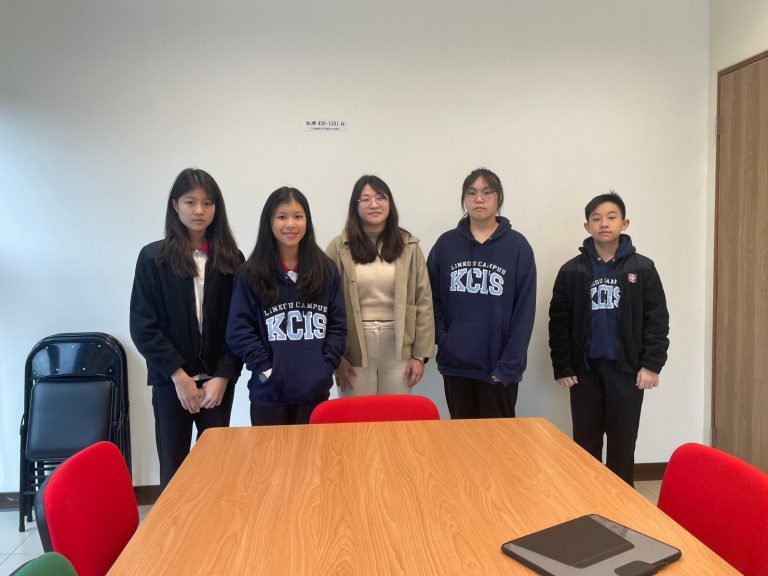
Faustine Lee:
It was a good experience interviewing Chen Ting Yi Teacher. After this interview, I learned more about athletes’ lives. She shared her experience and story with us. She trained a lot before becoming a badminton player. During her training, she faced many problems and challenges, for instance, she had once suffered being injured, and it was a very big frustration to an athlete. Now, she isn’t a badminton player, but she became a coach. Throughout the whole thing, I found out that being an athlete is not just only skill issues, it is also about psychological quality.
Chih-Yin Chang:
Interviewing a badminton professional was very interesting. The love of sport has literally defined this playerslife, as he said the player clearly loves badminton deeply. They put in the grind, practicing every day and are consistently working on improving. The same applies to their mental strength, they use visualization to deal with competition stress.Family, and their coaches have also been a huge part of the journey with support and direction. So, in general the interview reiterated all the hard work to be done for dominance in badminton and hence I appreciated the sport and individuals even more.
Chloe Hua:
After the interview, Chen Yiting teacher provided us with more insights into badminton. Throughout her journey to becoming a badminton player. Although she suffered injuries during her training and once considered giving up on being a badminton player, she later returned to the sport and became a coach. I realized that becoming a professional athlete requires effort from a young age, as well as continuous development and training.